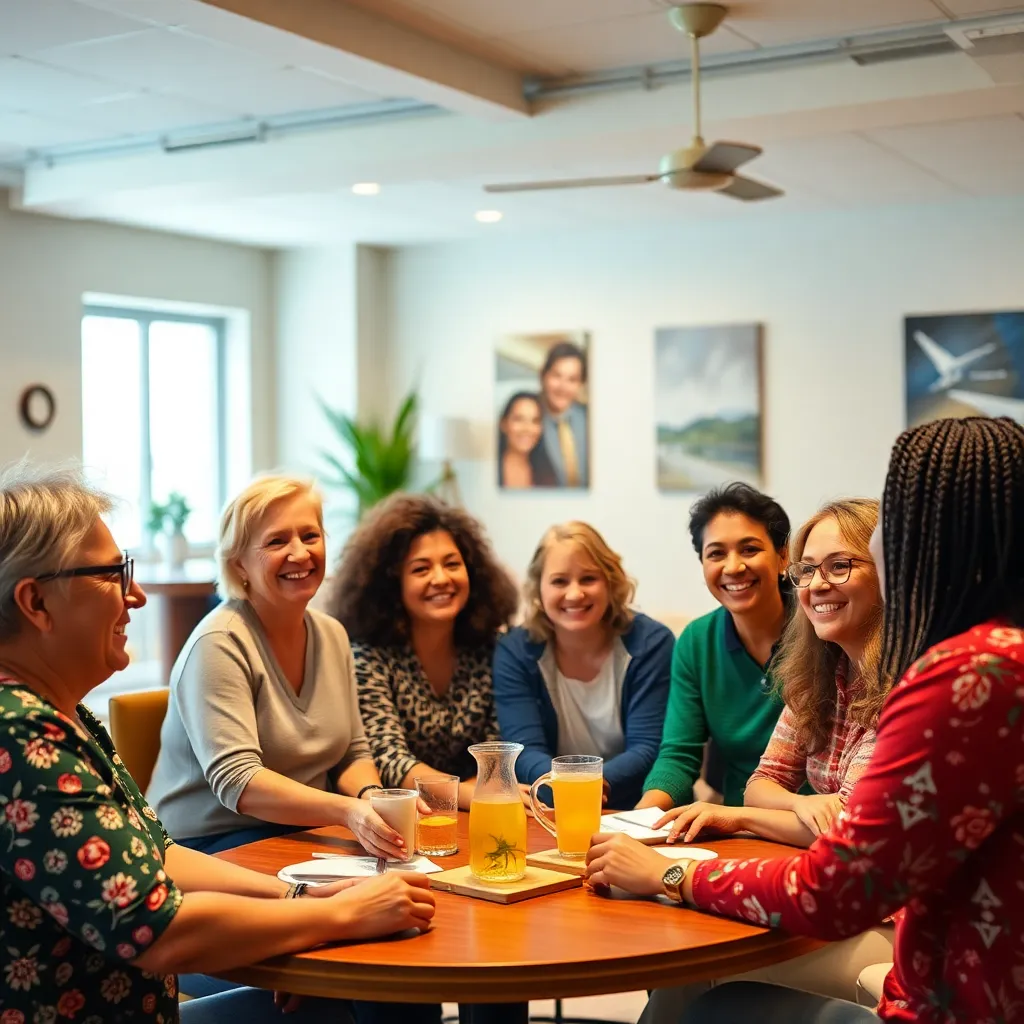
Florida's Recovery Community: Resources for Long-Term Sobriety
Florida has one of the largest recovery communities in the nation. Find sober living homes, peer support groups, recovery-friendly employers, and community resources statewide.
Treatment gets you sober. Recovery keeps you there.
This distinction is not semantic. Decades of research confirm that the period following formal treatment is when the risk of relapse is highest — and when the presence (or absence) of ongoing support most powerfully influences long-term outcomes. The Substance Abuse and Mental Health Services Administration (SAMHSA) identifies sustained recovery support as essential to long-term sobriety, encompassing housing, community, employment, and ongoing peer connection.
Florida is home to one of the largest and most diverse recovery communities in the United States. The same population dynamics that made Florida a ground zero for addiction — large, transient population, significant recovery migration, strong 12-step culture going back decades — also created an unusually robust infrastructure for recovery support. That infrastructure, when used, dramatically improves the odds of sustained sobriety.
This guide maps that infrastructure and gives you practical information to access it — whether you are just leaving treatment or years into recovery and looking to deepen your support.
The Evidence for Recovery Support Services
Before diving into specific resources, it is worth understanding why aftercare and ongoing recovery support matter so much.
The National Institute on Drug Abuse (NIDA) characterizes addiction as a chronic brain disorder with a relapse rate similar to other chronic conditions like hypertension and asthma. This means relapse is common — but it does not mean treatment has failed. It means the person needs a change in the treatment or recovery plan. Research consistently shows that longer engagement with recovery support services is associated with better long-term outcomes, even after accounting for substance use severity.
SAMHSA’s 2023 National Survey on Drug Use and Health data suggests that most people who resolve a substance use disorder do so through a combination of formal treatment and ongoing community support. Florida’s recovery community organizations exist precisely to provide that ongoing support.
Sober Living Homes in Florida
Sober living homes — also called recovery residences — are alcohol- and drug-free shared housing environments for people in recovery. They provide structure, accountability, and community at a critical time in early recovery when returning to old environments is particularly dangerous.
Florida Association of Recovery Residences (FARR)
Florida has a state-specific certification system for recovery residences administered by the Florida Association of Recovery Residences (FARR), in alignment with the National Alliance for Recovery Residences (NARR) standards. FARR-certified homes meet established quality standards for safety, management, and recovery support services.
Florida law requires that recovery residences receiving DCF/SAMH funding be certified by an accrediting organization — a reform driven by the predatory sober home practices that plagued South Florida in the early 2010s. Look for FARR-certified homes when searching for sober living.
Finding FARR-certified homes: farronline.org has a searchable directory.
Recovery Residence Levels
FARR uses the NARR four-level framework:
- Level 1 (Peer-run): Democratic, peer-run homes with shared living
- Level 2 (Monitored): Staff oversee house operations and accountability
- Level 3 (Supervised): Clinical services provided on-site or closely coordinated
- Level 4 (Service Provider): Clinically managed residential support — closest to a licensed treatment facility
For most people leaving residential treatment, Levels 2 or 3 provide the right balance of structure and independence.
Cost and Funding
Sober living is typically not covered by insurance. Residents pay weekly rent, which in Florida ranges from approximately $100–$300 per week depending on location and amenity level. Some facilities offer scholarships or sliding-scale arrangements. Florida’s Managing Entity system funds some transitional housing through related programs — ask your regional Managing Entity about available housing assistance.
Peer Support and Mutual Aid Groups
Peer support — connection with others who have lived experience of addiction and recovery — is one of the most powerful recovery resources available. It is also largely free.
Alcoholics Anonymous (AA)
AA has the deepest and most extensive meeting network of any recovery mutual aid organization in Florida. Major metro areas like Miami, Tampa, Orlando, Jacksonville, and West Palm Beach have dozens of meetings per day; even small rural communities typically have at least one or two weekly AA groups. Meetings are free and open to anyone with a desire to stop drinking.
Florida AA resources: aa.org, Central Florida Intergroup, South Florida AA Intergroup
Narcotics Anonymous (NA)
NA offers the same peer support framework as AA, designed for people with drug addiction of any kind. Florida has active NA chapters statewide.
Florida NA resources: na.org, Florida Regional Service Committee
SMART Recovery
SMART Recovery (Self-Management and Recovery Training) is a secular, evidence-based alternative to 12-step programs, using principles from cognitive behavioral therapy and motivational interviewing. SMART has Florida chapters and a robust online meeting program — making it accessible even in areas without nearby in-person groups.
smartrecovery.org
Celebrate Recovery
A Christian-based 12-step-informed recovery program available at churches throughout Florida. Particularly strong in North Florida and the Panhandle.
Refuge Recovery and Recovery Dharma
Buddhist-informed, secular recovery communities with Florida chapters in several metro areas. Particularly popular among people who want a contemplative, mindfulness-based approach to recovery.
Florida’s Recovery Community Organizations (RCOs)
Recovery community organizations are nonprofit organizations led and governed by people in recovery. They provide peer recovery coaching, advocacy, recovery housing navigation, employment support, and community-building programming.
Notable Florida RCOs include:
A Man in Recovery (AMIR): Based in South Florida, provides peer recovery coaching and men’s recovery support programming.
Transformations Treatment Center: Runs a recovery community organization component in Palm Beach County with alumni programming.
United Recovery Project: Operates recovery community centers in South Florida.
Cornerstone of Recovery’s Florida Operations: Alumni and peer support programming.
Many RCOs receive funding through SAMHSA’s Grants to Expand Substance Abuse Treatment Capacity program or through Florida’s state budget. The Florida Certification Board (FCB) certifies peer recovery support specialists in the state.
Certified Peer Recovery Support Specialists
Florida’s Peer Recovery Support Specialist (PRSS) workforce is one of the largest in the Southeast. PRSSs are people in recovery themselves who have received formal training and certification to provide peer support to others. They can be found working in:
- Hospital emergency departments (often called “recovery coaches” or “bridge coaches”)
- Drug courts and court diversion programs
- Community mental health centers
- Recovery community organizations
- Addiction treatment facilities
The Florida Certification Board (floridacertificationboard.org) certifies PRSSs and maintains a directory of certified specialists.
Employment and Recovery
Employment is a major predictor of sustained recovery. Florida has growing “recovery-friendly employer” and “recovery-friendly workplace” movements, though a formal statewide certification program does not yet exist as of this writing.
Resources for employment in recovery include:
CareerSource Florida: The state’s workforce development network (careersourceflorida.com) offers employment services, job training, and connections to employers — and is required to serve people with substance use disorders as a population with barriers to employment.
Workforce Solutions: Some counties offer specialized employment case management for people in recovery.
Recovery-friendly businesses: Many Florida business chambers and employer associations have begun adopting recovery-friendly hiring practices. Ask your recovery community organization or treatment provider for connections.
Recovery Support for Specific Populations
Veterans in Recovery
Florida’s VA system provides ongoing recovery support through its Substance Use Disorder clinics and through the MISSION program (Maintaining Independence and Sobriety through Systems Integration, Outreach, and Networking). Community-based veteran peer support programs are available in most Florida metro areas.
Young Adults
Young Adult Recovery Florida and various college recovery programs — including those at University of Florida, Florida State University, and University of South Florida — provide age-appropriate peer support and recovery communities for young adults.
LGBTQ+ Communities
South Florida (particularly the Fort Lauderdale and Miami areas) has LGBTQ+-affirming recovery communities and treatment programs. SAMHSA identifies sexual minority status as a factor associated with higher rates of SUD and recommends affirming, culturally competent care.
Women and Mothers
Florida has several women-specific recovery programs and sober living homes, some of which can accommodate children. The DCF/SAMH system includes specialized funding for pregnant women and women with dependent children.
Digital and Online Recovery Support
Online recovery resources have expanded significantly and provide access for Floridians in rural areas or with mobility limitations:
- In the Rooms: A large online recovery community with virtual meetings
- SMART Recovery Online: Free online SMART meetings, available 24/7
- AA Online Intergroup: Virtual AA meetings at aa-intergroup.org
- Sober Grid: A recovery social network and peer support app
Get Help Today
Long-term recovery is built on community — and Florida has one of the most vibrant recovery communities in the nation. Whether you are just starting your recovery journey or looking to strengthen your long-term sobriety, our Florida Addiction Hotline can connect you with peer support, sober living resources, and ongoing community.
Call our Florida Addiction Hotline today. Recovery does not end when treatment ends — and neither does our support for you.
Continue Reading

Alcohol Use Disorder in Florida: Recognizing the Signs and Finding Help
Florida's beach culture and nightlife can normalize heavy drinking. This guide helps you recognize alcohol use disorder, understand its health consequences, and access treatment.
Helping a Family Member With Addiction in Florida: What You Need to Know
Addiction devastates families. This guide gives Florida families honest, practical guidance on how to help without enabling, find resources, and protect their own mental health.